
The Town That Speaks
Pedro PáramoThis flow explores how Comala’s echoes transform suppressed history into an audible presence that unsettles visitors and survives the town’s physical decline.
increasing Bearing strength in each event
 decreasing
Bearing strength in each eventdecreasingSilence at Dusk
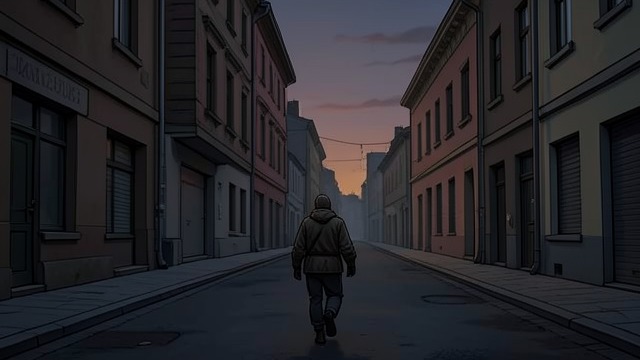
Hearing an Empty Town
Steps Against the Walls
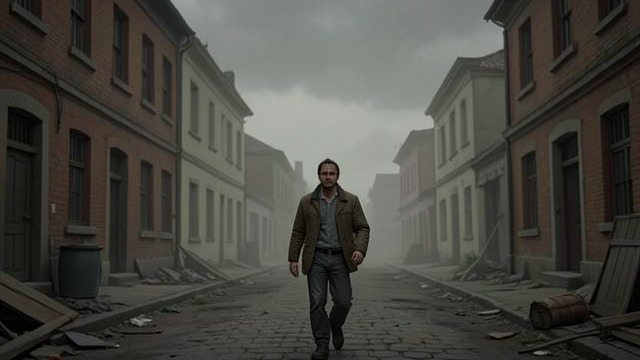
Juan hears his own footsteps reverberate through streets that contain no visible residents. The familiar sounds of a village evening are absent, leaving space for the smallest noise to feel significant.
A Silence That Feels Occupied
Juan senses that Comala is alive even though he cannot find its people. The silence becomes a threshold through which later voices can emerge.
Damiana’s Explanation
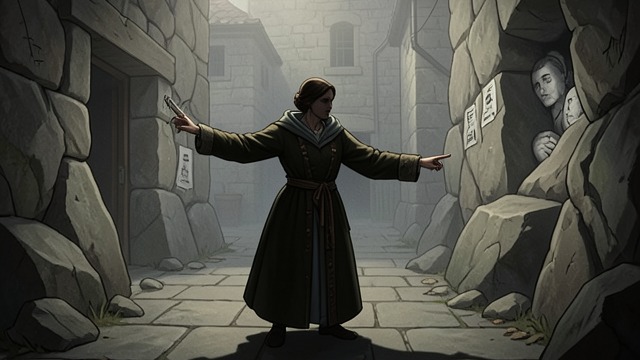
Echoes Have a History
Voices from Cracks and Stones
Damiana says that voices seem to come from walls and old stones. She describes hearing the dead in processions and recognizing people who have long been buried.
A Local Knowledge
Her account makes the supernatural part of everyday understanding in Comala. Juan receives no clear rule for distinguishing echoes from speech, only the warning that the town holds more voices than living people.
A Crowd Without Bodies
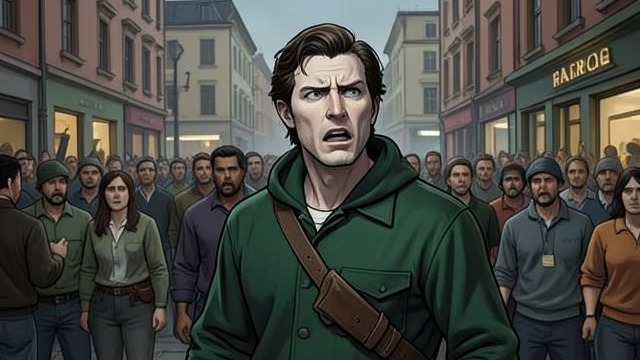
The Murmurs Gather
A Marketplace Heard
Juan senses the sound of a crowd in the empty square and hears fragments asking for prayer. He sees no people, but the noise surrounds him as if a gathering has formed.
Sound Becomes a Threat
The voices do not remain distant memory. Juan’s fear and cold intensify as the murmurs close in, turning the town’s acoustic past into a direct assault on the living body.
Walls as an Archive
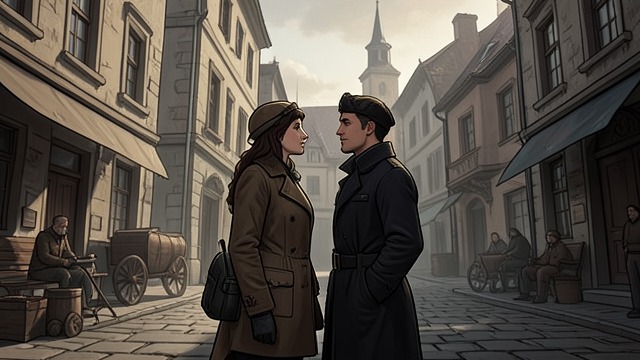
History Preserved in Sound
Personal Stories Return
Juan and Dorotea remember the people and events that shaped Comala. Nearby voices continue to disclose old violence, grief, and desire.
No Single Historian
The stories arrive in fragments rather than a stable chronology. The town’s echoes preserve history but do not explain it fully, requiring the dead to piece together what the living never resolved.
Echoes After Abandonment
Sound Outlives the Community
Empty Houses Remain
When Juan arrives, the physical town still stands, but its ordinary social life is gone. Houses and streets have become containers for voices from earlier generations.
The Past Cannot Be Evicted
The inhabitants can leave, but their stories remain in the place. Comala’s final identity is therefore made from the sounds of a community that no longer exists in the living world.
On Juan’s first evening in Comala
During Juan’s walk through the village
During Juan’s final night in Comala
After Juan’s death, during his conversations with Dorotea
Years after Comala loses its population
